Start Strong: Equip a Kitchen That Cooks for You

Today we dive into Core Kitchen Setup: The Essential Tools and Pantry Staples for Efficient Cooking, translating it into practical choices that fit real homes. Expect a short, smart list of gear and shelf-stable ingredients that speed up prep, cut waste, and elevate everyday flavor. Share your must-have items in the comments and subscribe for weekly checklists, mini lessons, and pantry-friendly recipes that keep dinner relaxed, repeatable, and genuinely satisfying.

The Minimalist Tool Kit That Does Maximum Work
A comfortable 8-inch chef’s knife tackles chopping, slicing, and mincing; a nimble paring knife manages peeling and detail work; a serrated knife glides through bread and tender tomatoes. Prioritize balance and grip, not flashy price tags. Learn a proper pinch grip and keep a simple honing routine. Together, these blades create consistent cuts that cook evenly, improving texture and timing. Share your favorite knife brand, or the sharpening tip that finally changed your prep game.
A heavy 12-inch skillet sears, sautés, and oven-finishes like a champ. A 3-quart saucepan handles starches, soups, and reductions without hogging space. A rimmed sheet pan roasts vegetables, bakes chicken thighs, and corrals prep. Choose oven-safe gear for flexibility, and flat, thick bottoms for predictable heat. With these three, you can cover breakfasts, weeknight dinners, and meal-prep staples. What’s your most-used pan, and which dish always tastes better from it?
Locking tongs, a flexible silicone spatula, a balloon whisk, and a digital thermometer solve common headaches instantly. Add a bench scraper for clean counters and fast transfer, plus a kitchen scale for accuracy and fewer measuring cups. These tools turn guesswork into confidence, preventing overcooked proteins and lumpy sauces. Keep them in a reachable caddy near the stove. Which compact tool saves your sanity when dinner threatens to run late?

Grains and Starches That Stretch Meals

Keep short-grain rice for creamy bowls, long-grain rice for fluffy sides, quick-cooking couscous for emergencies, and reliable pasta shapes that catch sauce. Potatoes last, polenta soothes, and tortillas save breakfast-for-dinner nights. Rotate bags into jars for visibility and portion sanity. With a couple aromatics and a skillet, these staples transform into pilafs, skillet pastas, hearty soups, or crispy hash. Which grain has rescued your evening more than once, and how did you season it?

Cans, Jars, and Proteins That Save Dinner

Canned tomatoes build soups and braises; chickpeas and black beans add protein and fiber; tuna and sardines bring richness and speed. Coconut milk makes quick curries, while tomato paste anchors deep flavor. Shelf-stable tofu and vacuum-packed gnocchi widen choices without fridge pressure. Keep a few broths or bouillon concentrates for instant body. Share your fastest pantry-to-table protein trick, whether beans-on-toast with hot sauce or tuna stirred into lemony spaghetti.

Flavor Builders That Turn Basics Into Cravings

Olive oil and neutral oil, plus vinegars like sherry and rice, deliver balance. Soy sauce, fish sauce, and miso add savory depth; Dijon, harissa, and gochujang bring personality. Dried oregano, cumin, smoked paprika, chili flakes, and cinnamon cover broad cuisines. Fresh garlic and onions bridge pantry and produce. With a squeeze of citrus, even simple rice becomes memorable. What two condiments never leave your counter, and why do they earn the spotlight?

Layout, Flow, and Organization for Speed
Your kitchen moves as fast as your setup allows. Create zones for prep, heat, cleaning, and dry storage so steps become automatic. Keep knives, boards, and towels near prep; tongs and oil by the stove; spices within reach, not buried. Store vertically to free counters, and keep most-used items eye-level. A five-minute reset after cooking protects tomorrow’s momentum. Tell us one small organizational tweak that noticeably calmed your weeknights.

Keep Edges Sharp and Hands Safer

Hone blades lightly before sessions to realign edges, and sharpen when a tomato resists or onions crush. Store knives on a magnetic strip or slotted block, never loose in drawers. Stable boards, dry towels, and claw grips prevent slips. A sharp knife is safer than a dull one because it needs less force. What sharpening method finally stuck for you: whetstone practice, guided systems, or a trusted local service?

Clean As You Go Without Killing Momentum

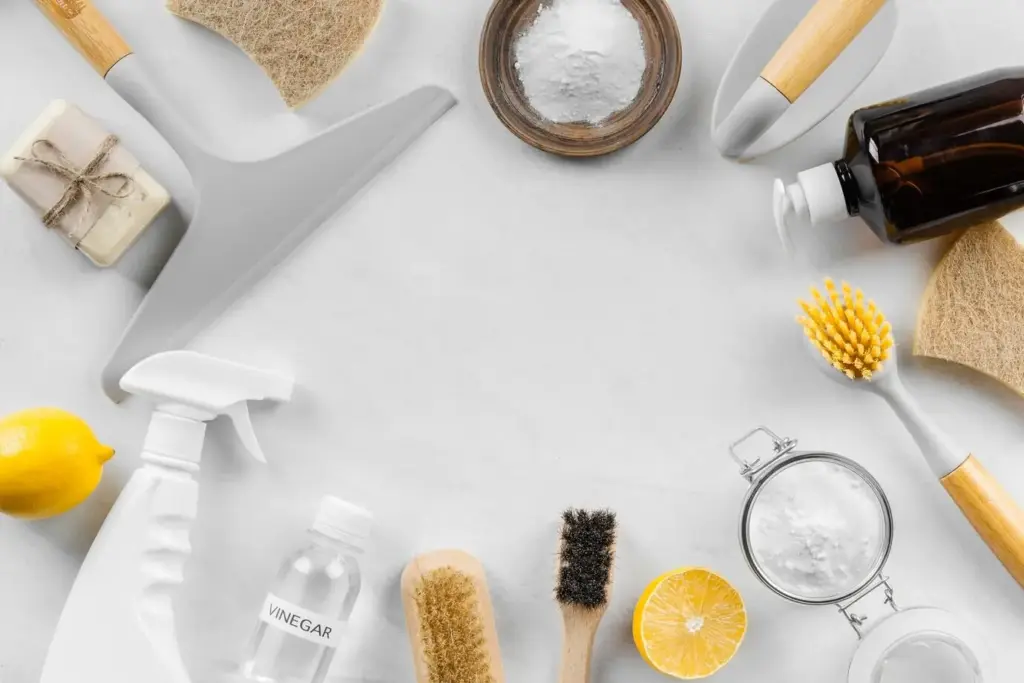
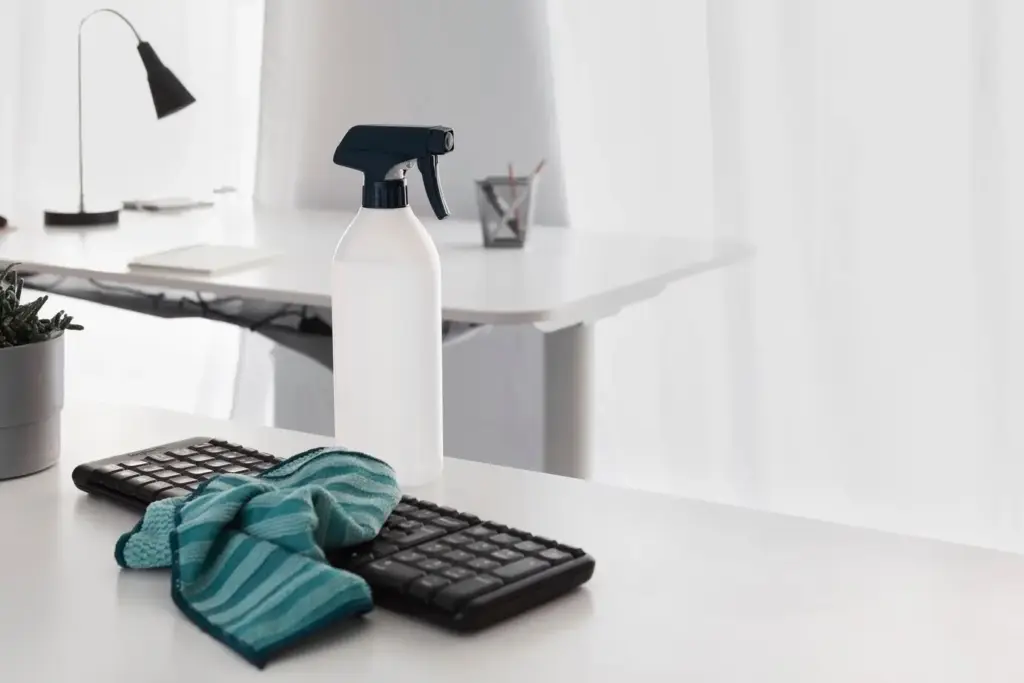
Stage a hot soapy basin before you start. Rinse and stack tools during simmering moments, wiping splatters as you move. Deglaze stuck pans while warm for effortless cleanup and bonus sauce. Swap dishcloths frequently and let sponges dry completely. A tiny trash bowl corrals peels and ends. By the time plates hit the table, the sink looks manageable. What’s your favorite two-minute reset that keeps mess from snowballing?

Heat, Fire, and Ventilation Basics

Know where the lid, baking soda, and extinguisher live before you preheat. Keep pan handles turned in, cords secured, and towels off burners. Use ventilation whenever you sear; clean filters to prevent greasy smoke. Preheat pans thoroughly, then add oil to reduce sticking. Trust a thermometer more than color or clock. Drop your best tip for cooking high-heat steaks without setting off alarms, and help neighbors dine in peace.

Substitutions, Fixes, and Flavor Balance
Resourceful cooks adapt without apology. Swap oils, acids, and heat levels to match what’s on hand and who’s eating. Thicken with starches or purees, loosen with pasta water, restore salt with citrus, and add crunch for contrast. Build meals by balancing salt, fat, acid, sweet, bitter, and heat. Keep a small cheat sheet taped inside a cabinet. Share your proudest rescue—what went wrong, how you fixed it, and what you learned.

Batch Cooking and Prep Routines That Stick

Practice Plan: From Hesitant to Confident

Confidence builds with repetition and gentle challenge. Rotate a set of core techniques, track small wins, and celebrate reliable meals more than showpieces. Set timers, clean as you go, and keep a short shopping list updated. Invite one friend to taste-test experiments and offer honest notes. Your kitchen becomes a teaching partner when tools are ready and ingredients organized. What skill will you practice this week, and how will you measure progress?
Tipetofifopuku
Privacy Overview

This website uses cookies so that we can provide you with the best user experience possible. Cookie information is stored in your browser and performs functions such as recognising you when you return to our website and helping our team to understand which sections of the website you find most interesting and useful.