Live Large in Less: Smart Storage for Compact Homes

Today we’re diving into small-space storage with multi-use furniture and lean organizing solutions, turning tight quarters into adaptable, calming places to live. Expect clever measurements, transformable pieces, and sustainable habits that create breathing room, protect your budget, and invite style without clutter weighing down your mornings, evenings, or weekends.

Measure, Map, and Prioritize

Before buying another bin, capture reality with a tape measure, floor plan, and honest priorities. When you map door swings, window lines, and circulation paths, you reveal hidden capacity. Pair this with a shortlist of essentials you actually use, and you’ll avoid expensive, space-hogging mistakes from day one.

01

The Two-Suitcase Test

Pretend you must pack your life into two suitcases for thirty days. What makes the cut proves daily relevance; what’s left behind often belongs elsewhere. This imaginative drill clarifies values fast, guides storage sizing, and reduces the urge to save duplicates “just in case,” freeing shelves for living.

02

Wall-to-Wall Footprint Math

Sketch your room to scale on grid paper or a simple app, noting radiators, outlets, and sill heights. Calculate furniture footprints with circulation lanes of at least sixty to ninety centimeters. This practical math prevents bottlenecks, supports convertible pieces, and protects the subtle spaciousness created by free, comfortable movement.

03

Zones That Flex Morning to Night

In compact homes, the same square meters must host breakfast, video calls, workouts, and sleep. Assign zones based on activities you repeat, then choose furnishings that transform quickly. A drop-leaf desk can become dinner for four, while a folding screen grants privacy without permanently consuming valuable, sunlit wall space.

Furniture That Works Twice as Hard
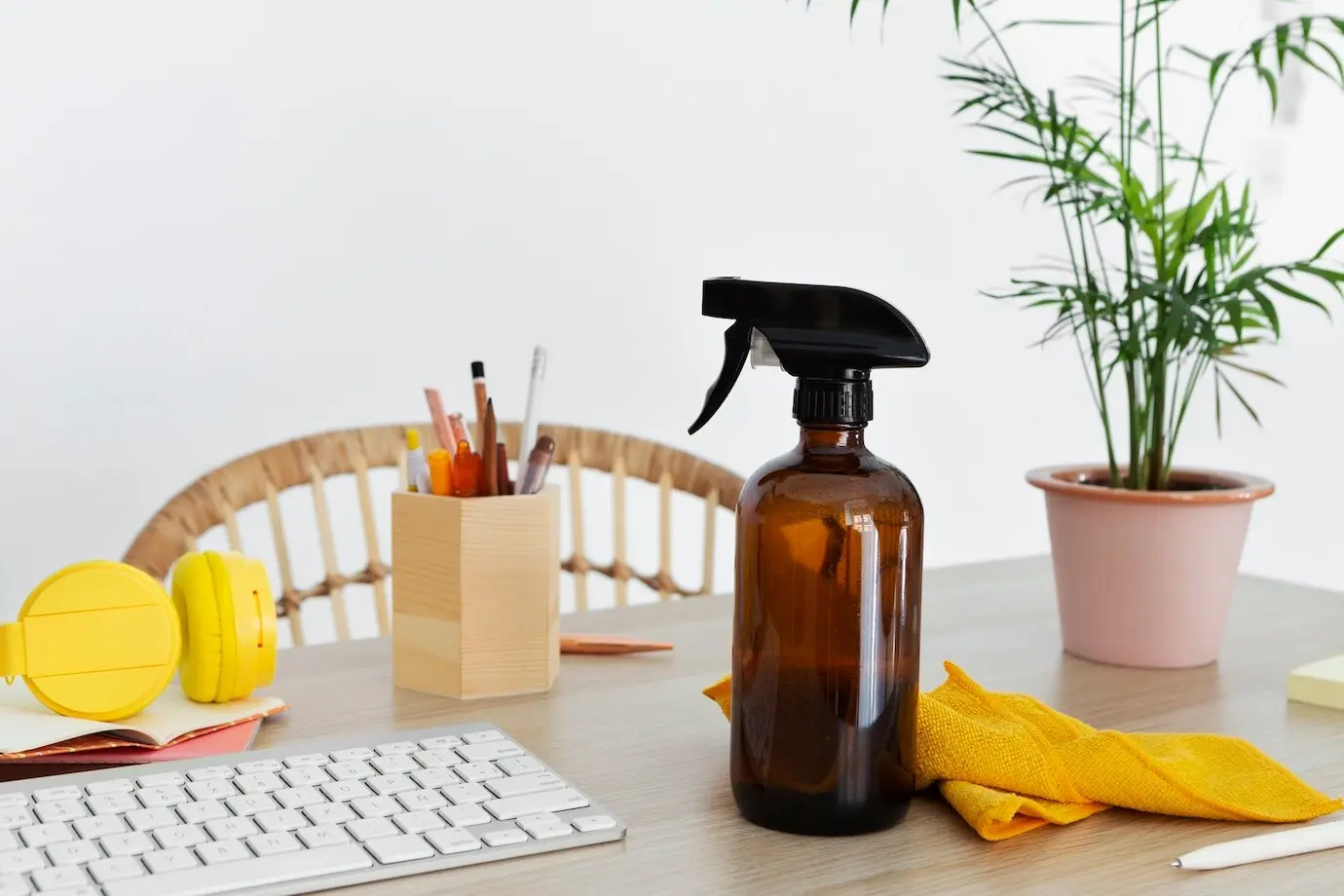
Every piece should earn its footprint. Think sofa beds with breathable storage underframes, ottomans that hide linens, nesting tables that expand parties, and drop-leaf dining solutions that disappear. Durable mechanisms matter; look for weight ratings, solid anchors, and smooth hardware so daily transformations feel delightful, not like chore-like wrestling.

Lean Systems: Keep Only What Serves Today

Borrow from lean methods to tame overflow. Sort ruthlessly, set items in intuitive order, clean surfaces, standardize locations, then sustain with simple routines. Use one-in, one-out rules, quarterly audits, and containers as boundaries. When the basket fills, you’ve reached capacity, prompting decisions before clutter silently expands into living space.
Turn 5S into friendly habits: remove duplicates, assign homes near use, wipe shelves during weekly resets, label clearly, and calendar monthly reviews. A small apartment thrives on these micro-rhythms, reducing hunting time and friction. You gain minutes daily and reclaim calm because everything returns easily to a predictable place.
Choose a single shelf or bin as the maximum for categories like towels, pantry backups, or hobby supplies. This visible limit encourages smarter purchases and prevents bulk buys that suffocate tiny kitchens. When the boundary fills, pause, use what you have, or donate extras so future storage stays wonderfully breathable.

Vertical Space, Light, and Visual Ease

Climb the walls without crowding them. Use stud-mounted shelves, ceiling racks for bikes, and slender pegboards with planned spacing. Balance capacity with air by leaving top margins and aligning lines. Add mirrors, leggy furniture, and tonal palettes so the eye reads continuity, turning compact rooms into quietly expansive sanctuaries.

Tiny Kitchen, Big Workflow

Arrange by movement, not tradition. Place prep surfaces near the sink, knives on a magnetic strip, and pans on a rail. Foldaway boards extend counters for rush-hour dinners. Decant dry goods into square containers that stack and label clearly, so every shelf reads like a menu rather than a puzzle.

Maintenance Rituals and Community Momentum

Sustained clarity comes from tiny, reliable rituals. Try a ten-minute nightly reset, a Saturday donation box pass, and a monthly room audit. Share your wins, ask questions, and swap photos with us. Community accountability keeps motivation high, and your evolving space becomes a supportive companion rather than a silent burden.
Tipetofifopuku
Privacy Overview

This website uses cookies so that we can provide you with the best user experience possible. Cookie information is stored in your browser and performs functions such as recognising you when you return to our website and helping our team to understand which sections of the website you find most interesting and useful.